Insulin resistance is a hidden current under the surface of many hormone, fertility and metabolic issues and for women with Polycystic Ovary Syndrome (PCOS) it’s often the key that unlocks the door to real change.
Let’s walk through what it is, how it shows up in women’s health, and exactly what you can do today to shift your body away from resistance toward balance, vitality and fertility.
What is Insulin Resistance?
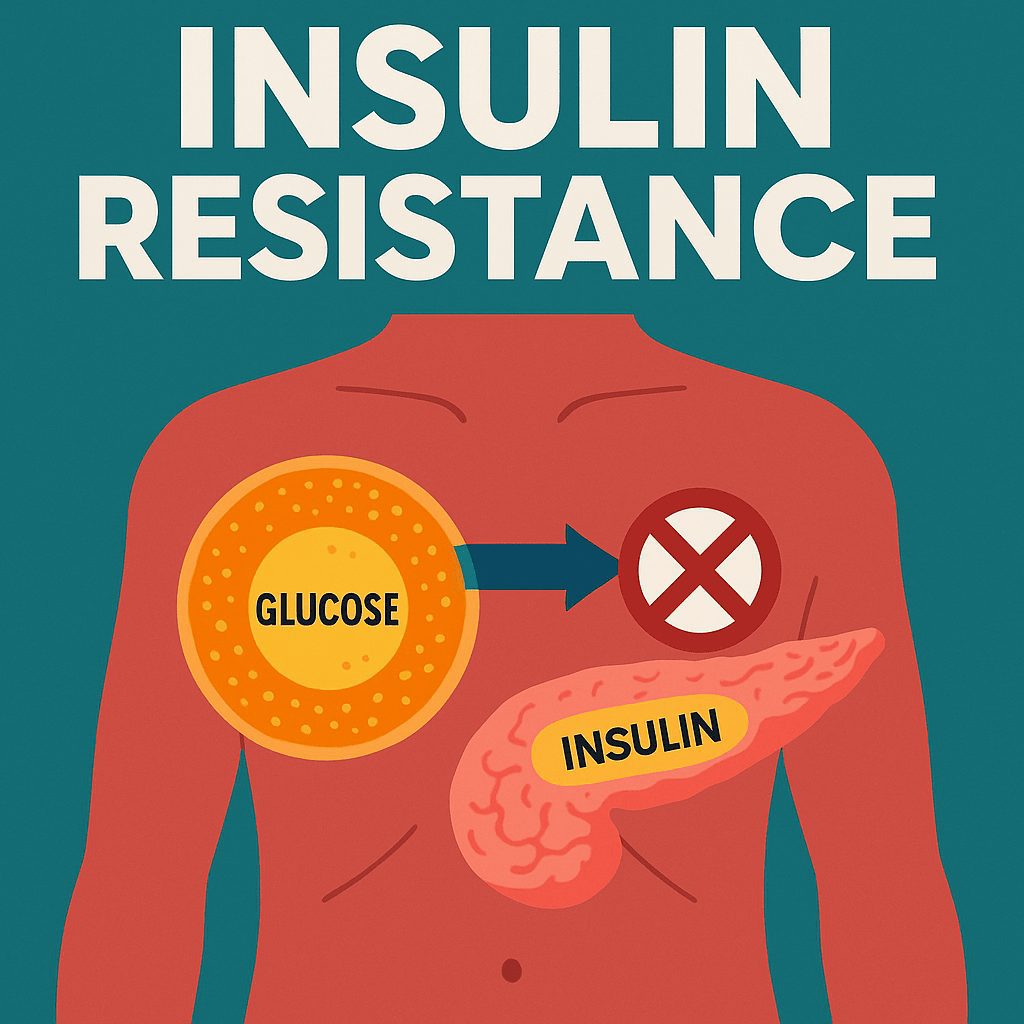
Simply put, insulin is the hormone your pancreas releases that helps to move sugar (glucose) from your blood into your cells so that it can be used for energy.
Insulin resistance happens when your cells stop responding properly to insulin’s signal.
This means that the glucose builds up in your blood, and your pancreas tries to compensate by producing more insulin (hyperinsulinemia), and eventually things go awry.
The Centers for Disease Control and Prevention (CDC) explains that over time this sets the stage for pre-diabetes and type 2 diabetes.
Why This Matters in PCOS & Fertility
If you’re managing PCOS then you likely know that symptoms like hormone imbalance, irregular cycles, fertility challenges and weight fluctuations are a part of the picture.
What many women don’t realize is the main role insulin resistance plays in all of this:
- High insulin drives excess androgen (male-hormone) production which tends to worsen PCOS symptoms like acne, hair growth, irregular cycles.
- Insulin resistance can impact ovulation, egg quality and uterine lining environment, making fertility harder.
- It also triggers belly fat, inflammation and hormonal callouts that makes weight-management and cycle regularity harder.
So, when we fix or reduce insulin resistance, we’re not just managing one symptom, we’re addressing a root driver of PCOS and fertility disruption.
Signs & Causes of Insulin Resistance You Should Know
Because insulin resistance doesn’t cause dramatic symptoms early, many women tend to miss it.
Signs like darkened skin patches (acanthosis nigricans), skin tags, unexplained weight changes or fatigue might hint toward insulin resistance.
Key contributing factors include:
- Excess belly fat (visceral fat around organs)
- Sedentary lifestyle / lack of muscle-activity
- Diets high in processed carbs and saturated fat
- Genetic or hormonal influences (yes, PCOS overlaps here)
- Poor sleep, chronic stress and hormonal imbalance
The Truth: You Can Reverse It
Here’s the good news: insulin resistance is not a life sentence.
While genetics, age or some hormone disorders may play a part, lifestyle shifts can make a really huge difference.
Although not all contributing factors are reversible, the proper lifestyle changes can reduce insulin resistance, lower blood sugar and improve health markers.
High-Impact Lifestyle Shifts for Women (and Your Hormones)
Below are what I call the “Core Four”. These will have the most direct effect on insulin sensitivity and thus your hormones, cycles and fertility.
- Move Your Body (But Let’s Make It Smart)
Aim for 150 minutes of moderate aerobic activity plus 2 days of strength/resistance training each week to boost how your muscles use sugar.
For PCOS/ fertility: Focus on compound movements (squats, lunges, rows) and gentle cardio like brisk walks, swimming, or dance.
- Choose a Real-Food Diet That Supports Hormones
Lower high-glycemic foods (white bread, sugary drinks, cakes) that force insulin surges.
Emphasize: non-starchy vegetables, beans/legumes, whole grains like quinoa or buckwheat, nuts, and lean proteins (fish, poultry, tofu).
In PCOS land: Fiber + lean proteins stabilize blood sugar, reduce androgen spikes and support ovulation.
Also important: healthy fats (olive oil, nuts, avocado) to reduce inflammation and support hormone production.
- Prioritize Sleep + Stress Levels
Getting less than 7–8 hours of sleep or sleeping badly, does more than make you tired, it also throws your hormones completely off balance.
When you’re sleep-deprived, your cortisol levels usually rises and that stress hormone messes with insulin sensitivity, which makes it harder for your body to regulate blood sugar.
Over time, this can trigger higher androgen levels, which means more acne, cravings, mood swings, and those stubborn PCOS flare-ups.
Your nightly reset plan:
- Stick to a consistent sleep schedule ,even on weekends.
- Go screen-free at least 30 minutes before bed.
- Try journaling, herbal tea, or a quick meditation to unwind.
For your fertility journey, lowering stress and restoring good sleep equals better hormone flow, stronger ovulation, and a healthier womb environment.
- Targeted Support & Smart Habits
Supplements: While whole foods are the foundation of hormone balance, research further shows that adding nutrients such as magnesium, vitamin D, and omega-3s can inrpove insulin sensitivity and metabolic health.
Habit hacks:
- Eat breakfast within 30-60 mins of waking to stabilize sugar.
- Use mini-fasting windows (e.g., 12-14h overnight) if it fits your routine and doctor confirms it.
- Monitor your waist and not just your weight because belly fat reduction often means improved insulin sensitivity.
How This Supports Your Fertility Mission
When your body becomes more insulin sensitive:
- Androgen levels drop which equals healthier ovulation, fewer cysts, better cycle regularity
- Waist/fat reduction enhances hormonal signal clarity (FSH/LH balance)
- Better blood-sugar stability = fewer hormone crashes, more energy, better mood
- Fertility treatments tend to respond better in optimized metabolic environments
Here’s a sample framework for a week:
- Monday: 30 min brisk walk + 15 min strength (upper body)
- Tuesday: Meal focus — non-starchy veggies, legumes, olive oil, lean protein
- Wednesday: Yoga / stretching + sleep hygiene reset
- Thursday: Strength (legs/glutes) + meal with beans/tofu + healthy fats
- Friday: Outdoor cardio (swim or dance) + journaling stress check-in
- Saturday: Flexible meal day (swap in higher carb like sweet potato)
- Sunday: “Reset” day: slow movement, meal prepping for week, aim for 8h sleep
Final Takeaway
Insulin resistance is common among women with PCOS and fertility concerns, but it is completely treatable.
By focusing on movement, nutrition, sleep/stress and supportive habits, you shift your system from resistance to resilience.
You’re not just chasing fertility or cycle-regularity, you’re also building a foundation for long-term hormonal health, energy and vitality.
And the best part? These changes don’t take months to start showing results. You’ll notice clarity, better digestion, more consistent cycles, and improved mood often within weeks.
Ready to take the next step? Your body is already waiting.
Disclaimer: This article is for educational purposes and does not replace personalized medical advice. Always consult your healthcare provider before implementing major lifestyle or supplement changes.