Ovulation is one of the most powerful and important phases of your menstrual cycle, yet most women were never truly taught what it means or how to track it.
Whether you’re trying to conceive, avoid pregnancy naturally, or simply understand your body better, learning about ovulation can change the way you experience your cycle.
At The Healthy Woman, we believe that when you know your body, you can work with it not against it. This guide breaks down what ovulation is, when it happens, how to recognize the signs, and how to naturally support your body for better reproductive health.
What Is Ovulation, Exactly?
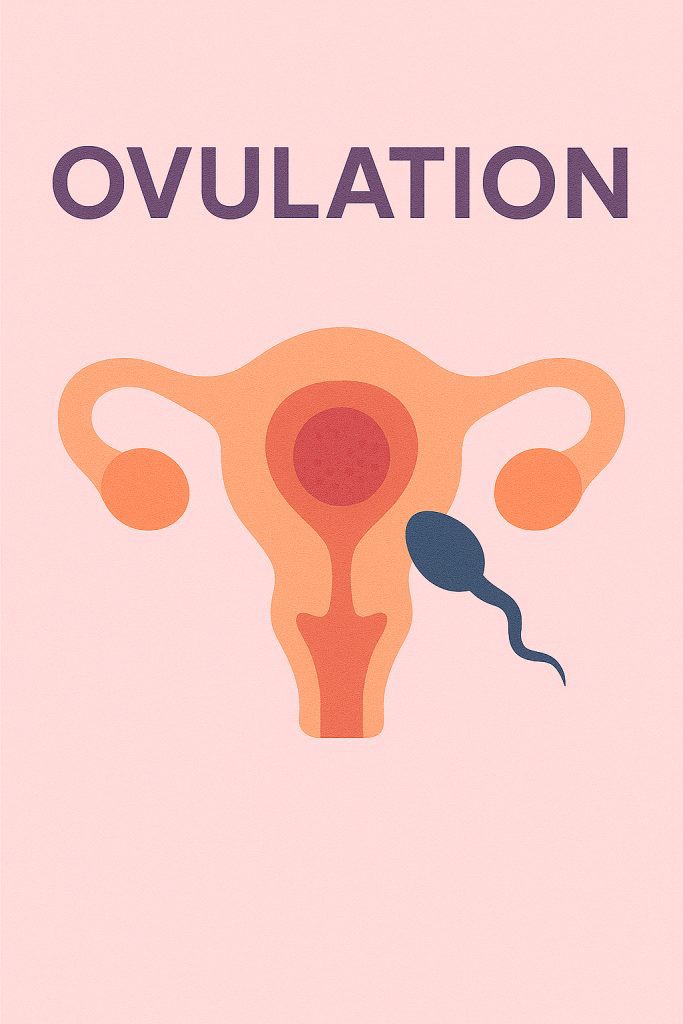
Ovulation is the process where a mature egg is released from one of your ovaries. It then travels down the fallopian tube, where it can be fertilized by sperm.
In a typical 28-day menstrual cycle, ovulation occurs around day 14, but not everyone has a textbook cycle. It can happen earlier or later depending on your hormones, stress levels, and lifestyle.
The egg itself lives for about 12 to 24 hours, but because sperm can survive in your reproductive tract for up to five days, your fertile window lasts around six days total the five days leading up to ovulation, plus ovulation day itself.
So even though ovulation is just one part of your cycle, it’s the key moment that determines your chances of getting pregnant or avoiding pregnancy naturally.
Why Ovulation Matters (Even If You’re Not Trying to Conceive)
Ovulation isn’t just about fertility, it’s also a reflection of your overall hormonal health. When your cycle runs smoothly, it means your body is maintaining the right balance of estrogen, progesterone, and luteinizing hormone (LH).
Here’s why tracking ovulation benefits every woman:
- Mood and energy: The hormonal surge during ovulation boosts libido, confidence, and energy levels.
- Cycle predictability: Knowing when you ovulate helps you understand your period flow and PMS timing.
- Early warnings: Irregular or missed ovulation can signal issues like PCOS, thyroid imbalance, or stress overload.
When you know your fertile window, you gain control over your body, your mood, and your health.
The Main Signs of Ovulation
Your body sends out clear signals when ovulation is approaching you just have to know what to look for.
- Changes in Cervical Mucus
One of the easiest ways to tell you’re ovulating is by paying attention to your discharge.
Before ovulation: mucus is cloudy or sticky.
During ovulation: it becomes clear, stretchy, and slippery, like egg whites.
This change helps sperm travel easily toward the egg.
- Slight Rise in Basal Body Temperature (BBT)
Your body temperature slightly increases (by about 0.5°F or 0.3°C) after ovulation. Tracking your BBT daily can help you confirm when ovulation has already occurred.
- Ovulation Cramps or Twinges
Some women feel a mild, one-sided pain in their lower abdomen (called mittelschmerz) when the ovary releases an egg.
- Heightened Senses or Libido
Around ovulation, you might notice subtle changes: a stronger sense of smell, glowing skin, or a higher sex drive. This is your body’s natural way of encouraging reproduction.
- Positive Ovulation Test
Ovulation predictor kits (OPKs) detect a spike in luteinizing hormone (LH) the signal that triggers the egg’s release. A positive result means ovulation will likely happen within 24–36 hours.
How to Track Ovulation Naturally
There’s no single “perfect” way to track ovulation. The key is consistency. Here are the most reliable natural tracking methods:
- The Calendar Method
Track your periods for at least three months. Ovulation usually occurs 10–14 days before your next period. This gives you an estimate of when to expect your fertile window.
- Basal Body Temperature Charting
Use a digital BBT thermometer each morning before getting out of bed. A slight temperature rise indicates ovulation just happened. Over time, you’ll see a pattern emerge.
- Cervical Mucus Monitoring
Check your discharge daily. When it turns clear, stretchy, and slippery, you’re likely in your fertile window.
- Ovulation Kits & Apps
Combine traditional methods with technology. Apps like Flo or Clue can help you log symptoms, moods, and test results to predict ovulation more accurately.
Factors That Can Affect Ovulation
Several things can delay or disrupt ovulation and understanding them helps you stay proactive.
- Stress: High cortisol levels can interfere with reproductive hormones.
- Extreme dieting or over-exercising: Your body may shut down ovulation to conserve energy.
- Hormonal imbalance: Conditions like PCOS, thyroid disorders, or low progesterone can disrupt cycles.
- Sleep deprivation: Your hormones need consistent rest cycles to function properly.
- Age: Ovulation naturally becomes less regular in your late 30s and 40s.
If you notice frequent cycle changes or missed periods, it’s worth speaking to a healthcare provider to rule out underlying causes.
How to Support Healthy Ovulation Naturally
Ovulation thrives when your body is nourished and balanced. Here’s how to give it what it needs:
- Eat for Your Hormones
Focus on foods rich in zinc, vitamin B6, omega-3s, and antioxidants, like salmon, spinach, avocado, eggs, and pumpkin seeds. These nutrients support egg health and hormone regulation.
- Stay Hydrated
Cervical mucus depends on hydration. Drink plenty of water daily to support fertile fluid production.
- Manage Stress
Chronic stress raises cortisol, which can delay ovulation. Try breathwork, journaling, or nature walks to calm your nervous system.
- Herbal Support
Herbs like vitex (chasteberry), maca root, and red raspberry leaf have been used to balance hormones, encourage regular ovulation, and support fertility naturally. Our Balance Hormonal Support is a great start for many women. Always consult your healthcare provider before starting any supplement.
- Get Enough Sleep
7–8 hours of restful sleep keeps your hormones aligned, helping your body release an egg on schedule.
- Support Your Body with The Healthy Woman Blends
Our Fertility & Hormonal Balance Teas are crafted with time-tested herbs like dong quai, vitex, and nettle leaf — all designed to help your body regulate ovulation naturally and bring balance back to your cycle.
When to Seek Professional Guidance
Even with natural tracking and support, sometimes your body needs extra help.
You should see your healthcare provider if:
- You’ve been tracking your cycle for 6–12 months without ovulation confirmation.
- Your periods are irregular, very long, or missing.
- You experience symptoms of PCOS, thyroid imbalance, or extreme PMS.
Your doctor may recommend hormone testing, ultrasound scans, or fertility evaluations to pinpoint what’s going on.
Final Thoughts: Know Your Cycle, Trust Your Body
Understanding ovulation isn’t just about fertility, it’s about connecting with your body on a deeper level. Your cycle tells you so much about your health, energy, and emotional rhythm.
When you learn to recognize the signs of ovulation and track your fertile window, you’re not guessing anymore, you’re in full control.
Whether you’re trying to conceive, balance your hormones, or simply live more in tune with your natural rhythm, this knowledge is your power.
At The Healthy Woman, we’re here to help you make that journey easier with educational resources, herbal support, and cycle-focused wellness tools so you can feel balanced, confident, and connected every day of the month.
Disclaimer: This article is for educational purposes only and should not replace professional medical advice. Always consult your healthcare provider before making health decisions or beginning new supplements.