
When months and then years pass without a positive pregnancy test, what we’re really experiencing goes beyond frustration, it can feel like our body isn’t working the way we expected.
The term infertility gets used, but understanding what it actually means, why it happens, and what you can do makes all the difference.
At The Healthy Woman, we believe in blending evidence + empowerment. This post takes a fresh, clear look at infertility: root causes, signs you should take seriously, and proactive steps you can start today to take back some control.
What Is Infertility?
Infertility is defined by the World Health Organization (WHO) as the “failure to achieve a pregnancy after 12 months or more of regular unprotected sexual intercourse.”
In simpler terms: If you’ve been trying for a year (or 6 months if you’re 35 or older) and still not pregnant, infertility may be at play.
It’s key to know: infertility isn’t only a “woman’s issue.” It can involve male, female, or combined factors, and sometimes no obvious cause is found.
Common Causes of Infertility: What’s Really Going On
Female Causes
In women, the most frequent reasons infertility surfaces include:
- Ovulation disorders: When your ovary doesn’t release an egg as expected, or the cycle is too irregular.
- Tubal or uterine problems: Blocked fallopian tubes, uterine fibroids or structural issues that prevent egg/sperm meeting or embryo implanting.
- Endometriosis, pelvic inflammatory disease (PID) or damage from surgery or infections.
- Hormonal or gland issues: Thyroid problems, pituitary disorders, or conditions like PCOS that disrupt fertility signals.
Male Causes
Men contribute to about half of fertility issues. Some key causes in men:
- Low sperm count, abnormal sperm motility or shape.
- Problems with ejaculation, testes health, or hormone levels (for example low testosterone).
- Environmental or lifestyle impacts: heat, chemicals, poor health habits.
- Other Factors & “Unexplained” Cases
Sometimes no clear cause emerges. Experts call this “unexplained infertility.” Lifestyle, age, and cumulative stress can still be major players.
Also important: global prevalence is high, World Health Organization (WHO) estimates about 1 in 6 people of reproductive age face infertility.
Warning Signs: Recognize When You Should Act
Infertility often slips under the radar because the primary sign is simply not getting pregnant. But there are early clues you should pay attention to.
In Women
- Irregular menstrual cycles (longer than 35 days, shorter than 21, or absent).
- Very heavy or painful periods, spotting, pelvic pain, or pain during sex.
- Hormonal signs: acne, abnormal hair growth, changes in sex drive or fatigue.
In Men
- Trouble with erections or ejaculation, changes in sex drive.
- Testicular pain, swelling, or a noticeable change in testicle size.
When to Take Action
If you’ve been trying to conceive for 12 months (or 6 months if you’re 35+), it’s time to see a specialist. Don’t wait for it to “just happen.”
How to Move Forward: Taking Action & Supporting Your Fertility
Infertility is not a sentence, it’s a signal. Here’s how you can respond in practical, proactive ways.
Step 1: Get Basic Testing Done
Both partners should be involved. Tests may include hormone panels, semen analysis, imaging for women (ultrasound, HSG) and review of health history.
Step 2: Lifestyle & Wellness Support
- Eat nutrient-rich foods: leafy greens, healthy fats, lean protein, these fuel your reproductive system.
- Maintain a healthy weight: Being underweight or overweight can disrupt ovulation or sperm production.
- Minimize stress: Chronic stress affects hormones and fertility.
- Avoid toxins: Smoking, excessive alcohol, and environmental pollutants all impact fertility in men and women.
Step 3: Consider Herbal & Natural Supports
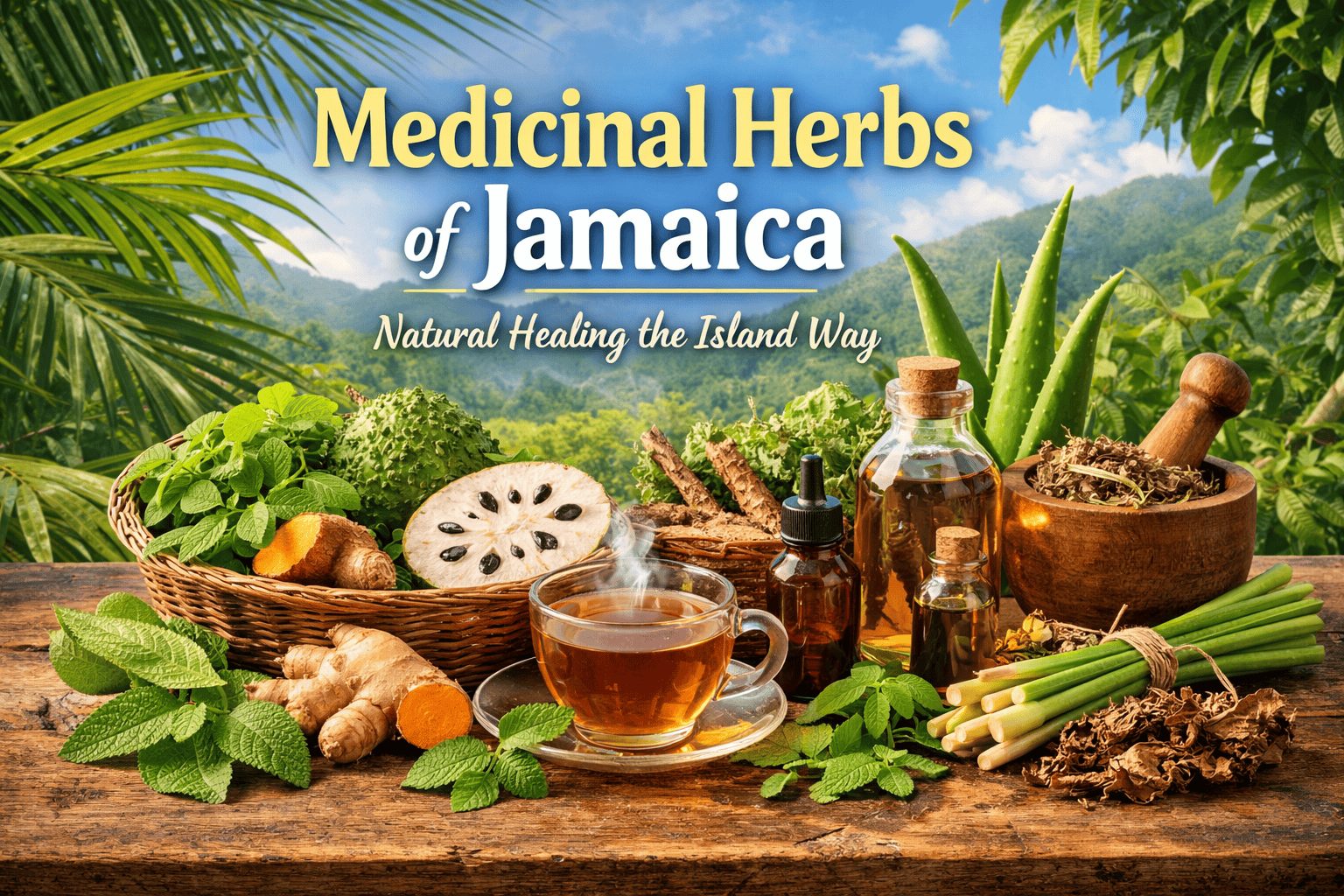
At The Healthy Woman, we believe in natural complements to medical care. Herbal blends, cycle-support teas, and hormone-balancing supplements can help your body’s internal environment. (Always consult your healthcare provider before starting any new protocol.)
Step 4: Partner & Emotional Support
Infertility affects both people. Communicate openly with your partner, set realistic expectations, and consider support groups or therapy. Working through emotional strain is just as important as the physical side of things.
Step 5: Treatment Options
Depending on cause, treatments might include:
- Medications to stimulate ovulation
- Surgical repair of blocked tubes or varicoceles
- Assisted reproductive technology (ART), including IVF or IUI
- Hormonal treatments or donor options
The point: ask your specialist what your best path is.
Bringing It All Together: Hope, Action & Ownership
Infertility is so much more than “just not getting pregnant.” It’s your body’s signal that something needs attention, whether it’s lifestyle, underlying health, or simply timing.
By recognizing warning signs, joining forces with your partner, and using both modern medicine and smart natural support, you reclaim agency.
Your fertility journey is your own. With the right knowledge, partner support, and tools (including The Healthy Woman resources), you don’t remain passive, you act.
No matter where you are now, just beginning to think about fertility, mid-treatment, or exploring natural support, you deserve clarity, options, and empowerment.
Final Word
Infertility doesn’t mean “never.” It means “not yet and I’m going to act.”
Treat your body with respect, your partner with unity, and your options with courage.
You’re not alone, and every step you take brings you closer to understanding, healing, and, ultimately, your goal.
Disclaimer: This blog post is for informational purposes only. It is not a substitute for personalized medical advice. Always consult a qualified healthcare provider before making decisions about your reproductive health.