What Are Uterine Fibroids?
Uterine fibroids are non-cancerous growths that form inside or around a woman’s uterus. They’re made of muscle and tissue and can be as small as a seed or as large as a melon.
Many women have fibroids without even knowing it, until they show up on an ultrasound or during a fertility check-up. Fibroids aren’t life-threatening, but they can cause major discomfort, heavy periods, bloating, and sometimes fertility issues.
According to Mayo Clinic and Cleveland Clinic, fibroids are very common in women aged 30–50, especially among women of African descent.
Why Do Fibroids Happen?
The exact cause of fibroids isn’t fully known, but several things increase your risk.
1. Hormonal Imbalance
When the body produces more estrogen and progesterone than needed, fibroids can grow faster. Hormones play a big role in fibroid development.
2. Family History
If your mother or sister had fibroids, you’re more likely to get them too.
3. Lifestyle & Inflammation
Stress, poor diet, and chemical exposure (like plastics or processed foods) can affect hormone balance and increase inflammation, both of which can lead to fibroids.
4. Insulin Resistance
High insulin levels can affect estrogen levels and encourage fibroid growth.
These causes show why every woman’s fibroid story is different, and why personalized, natural care works best.
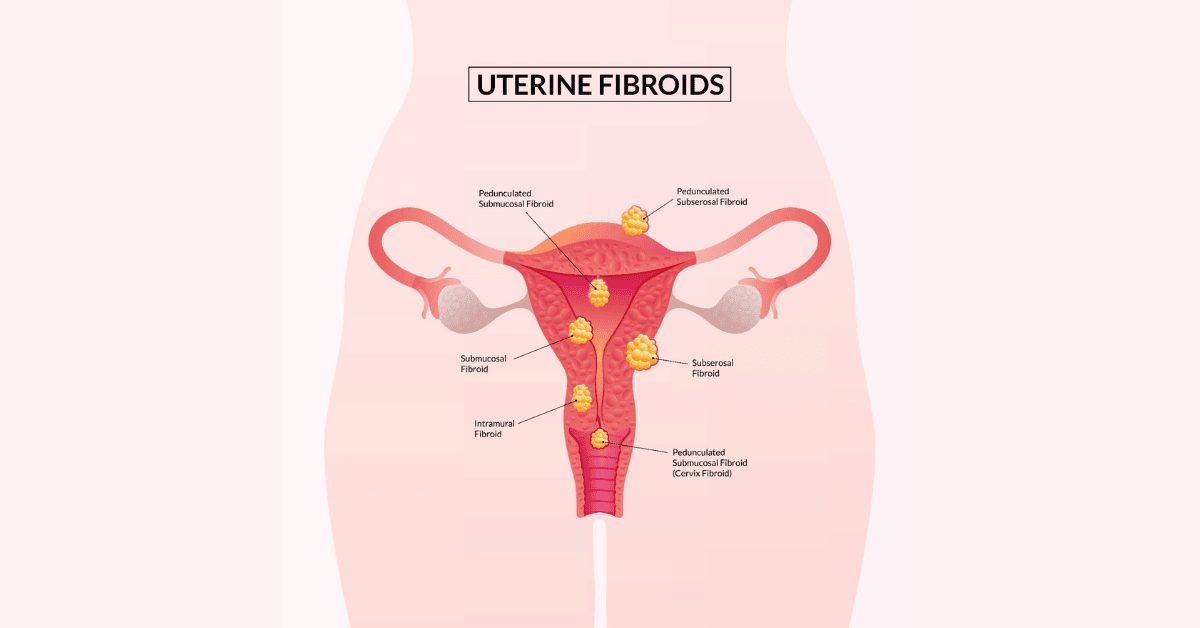
Types of Fibroids
Fibroids can form in different parts of the uterus. Their location affects your symptoms.
- Intramural fibroids: Grow in the uterine wall. These are the most common.
- Subserosal fibroids: Grow outside the uterus and can press on nearby organs.
- Submucosal fibroids: Grow inside the uterine cavity and may cause heavy bleeding.
- Pedunculated fibroids: Grow on stalks or stems, sometimes causing sharp pain.
Knowing your fibroid type helps you choose the right treatment or natural support plan.
Common Symptoms of Fibroids
Symptoms vary from mild to severe. You may have one, a few, or all of these signs:
- Heavy or long periods
- Pelvic pain or pressure
- Bloating or lower belly swelling
- Frequent urination
- Pain during sex
- Constipation
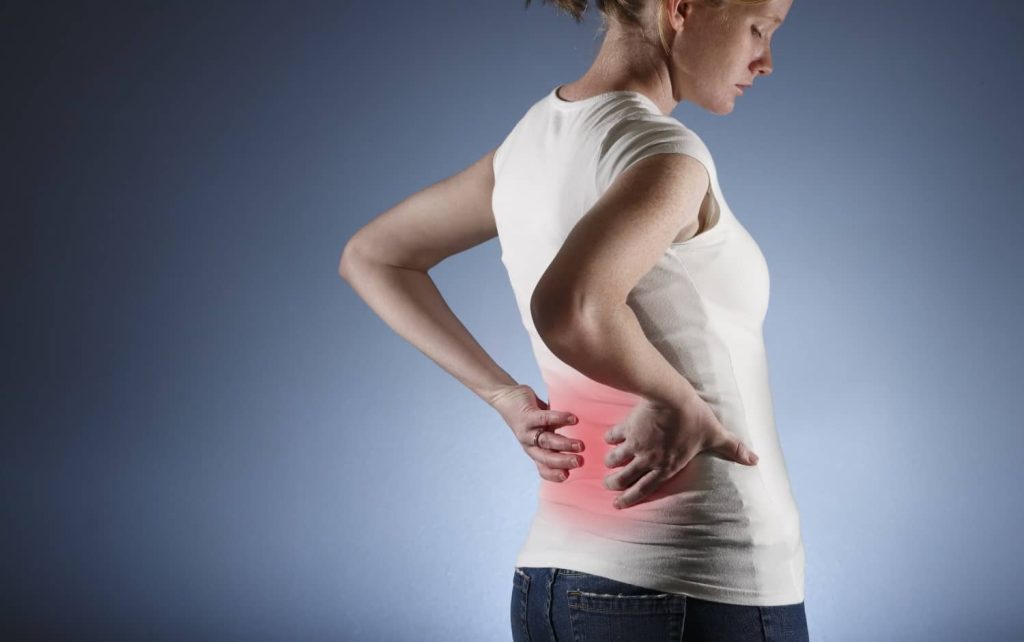
- Back pain
- Trouble getting pregnant
If you have any of these symptoms regularly, it’s important to get checked by a doctor.
How Fibroids Affect Fertility
Fibroids can make it harder to get pregnant or carry a pregnancy full-term. They may:
- Block the fallopian tubes
- Change the shape of the uterus
- Prevent the fertilized egg from implanting properly
- Increase the risk of miscarriage
But here’s the good news, many women with fibroids still conceive naturally. Managing hormones, improving diet, and using the right herbs can help restore fertility and balance.
Medical Treatment Options
Doctors use different treatments depending on your fibroid size, symptoms, and fertility goals.
- Medications: To control bleeding or shrink fibroids temporarily.
- Non-surgical options: Ultrasound therapy or uterine artery embolization.
- Surgery: Myomectomy (removes fibroids) or hysterectomy (removes uterus) for severe cases.
These treatments can help, but they don’t always prevent fibroids from returning, that’s why many women turn to natural methods for long-term balance.
Natural Ways to Support Fibroid Health
At The Healthy Woman, we believe healing works best when it’s natural, consistent, and personalized. You can’t always “shrink” fibroids overnight, but you can create a body environment that doesn’t feed them.
Here are simple, natural steps that support your hormones and reduce fibroid triggers:
1. Balance Your Hormones
- Eat more vegetables like broccoli, kale, and cabbage as they help to remove excess estrogen.
- Avoid processed foods, sugar, and dairy that may increase hormone imbalance.
- Drink herbal teas or take herbs like vitex, green tea, or turmeric (under guidance).
2. Support Your Liver
Your liver removes toxins and extra hormones from your body. Keep it healthy by:
- Drinking warm lemon water every morning
- Adding milk thistle, dandelion root, or burdock root tea
- Reducing alcohol and fried foods
A clean liver = better hormone balance.
3. Eat an Anti-Inflammatory Diet
Inflammation can fuel fibroid growth so calm your system with:
- Fruits, leafy greens, nuts, olive oil, and omega-3 fish
- Herbs like ginger and turmeric
- Less caffeine, less red meat, more water
4. Maintain a Healthy Weight
Extra fat tissue produces more estrogen. Gentle, consistent exercise helps manage hormones, even 30 minutes of walking or yoga daily can help.
5. Lower Stress Levels
High stress raises cortisol, which can disrupt your entire hormone system. Try:
- Breathing exercises
- Journaling or meditation
- Taking breaks to rest and reconnect
6. Use Herbal Support Wisely
Certain herbs may help your body rebalance naturally:
- Green tea extract (EGCG): Shown in studies to slow fibroid growth
- Vitex (Chasteberry): Balances progesterone and estrogen
- Turmeric: Anti-inflammatory and liver-supportive
Always consult a healthcare professional before using herbal supplements.
Fibroids, Diet & Fertility Connection
Your daily meals can either feed or fight fibroids. A plant-based, fiber-rich diet helps remove extra hormones and supports your fertility.
- Choose fresh fruits, vegetables, beans, and seeds.
- Drink more water and herbal teas.
- Avoid excess caffeine, processed snacks, and refined sugar.
Women who eat nutrient-rich foods often notice lighter periods, fewer cramps, and better energy levels, signs of restored balance.
When to See a Doctor
Even with lifestyle changes, always get checked if you have:
- Very heavy or painful periods
- Severe pelvic pressure or bloating
- Rapid belly growth
- Fertility problems
Fibroids are usually manageable, but a doctor can rule out other issues and guide your next steps.
The Healthy Woman Approach
At The Healthy Woman Jamaica, we take a holistic approach to fibroid care, blending herbal wisdom, modern research, and women’s wellness education.
Our Fibroid Fighter line includes herbal teas, tinctures, and capsules made with organic, hormone-balancing herbs that support:
- Detoxification
- Circulation
- Uterine and hormonal health
We believe in giving women tools to heal naturally, not temporarily. Every formula is crafted to help your body restore balance, ease symptoms, and protect your fertility safely.
Final Thoughts
Fibroids may be common, but they don’t define you. With the right knowledge, self-care, and natural support, you can take back control of your body and feel your best again.
Remember that small, consistent changes in diet, mindset, and daily habits can make the biggest difference because healing is not about perfection; it’s about progress.
At The Healthy Woman, we’re here to walk this journey with you, helping you balance your hormones, nourish your body, and feel confident again.
🔗 Explore our Fibroid Support Collection: CLICK HERE