Gut Microbiome: Why It’s Your Body’s Secret Superpower
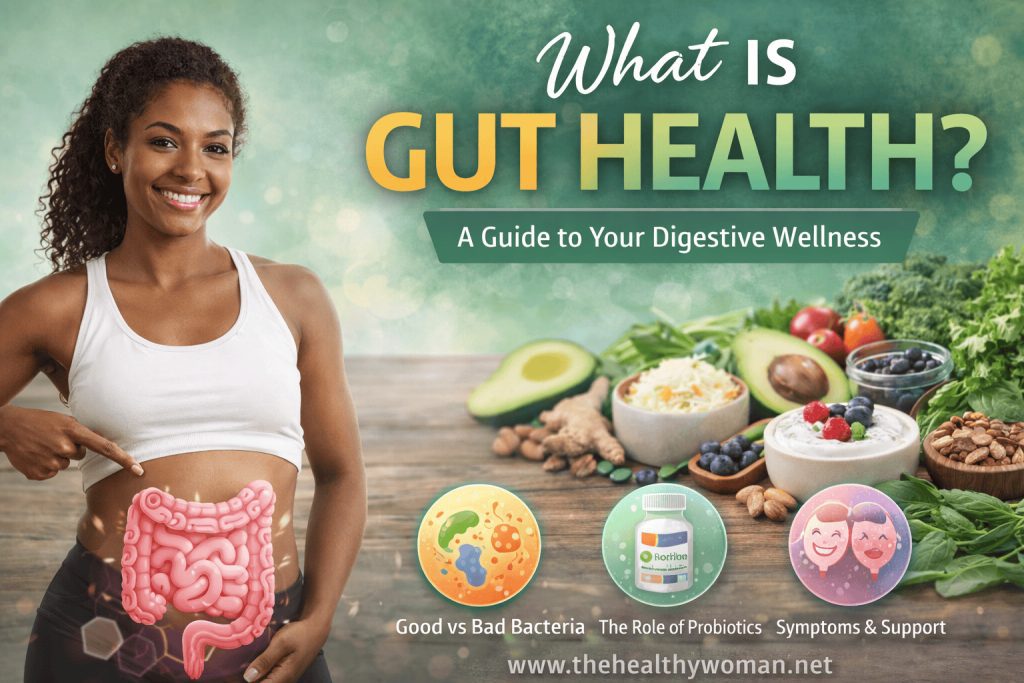
You’ve probably heard the phrase “gut health”, but do you really know what it means or why it matters? The gut microbiome is one of the most important, yet often-overlooked, parts of your health.
Think of it as a hidden ecosystem living inside you: a bustling community of trillions of microbes (bacteria, fungi, viruses, and more) working 24/7 to support digestion, immunity, even mood and brain health.
Pretty wild, right? The more you understand it, the more you’ll want to protect this inner world because a healthy gut microbiome can change how you feel, digest food, fight illness, and even think.
What Is the Gut Microbiome?
Your gut microbiome (or gut flora) refers to the entire mix of microscopic life (bacteria, viruses, fungi, archaea) that live in your digestive tract.
Most of these microorganisms live in your large intestine (colon), though some hang out in other parts of the gut.
This community isn’t random: it’s unique to you and shaped since birth. How you were born, how you were fed (breastfed or bottle), what you eat now, medications, environment all influence which microbes thrive and which don’t.
In short: your gut is a miniature ecosystem. And just like a garden, it needs balance, diversity, and care to flourish.
What Your Gut Microbiome Actually Does for You
The gut microbiome does a LOT of heavy lifting. Here are some of the most important jobs it handles and why you care:
Digests Food & Extracts Nutrition
There are certain fibers and nutrients in foods that your body can’t break down by itself. The gut microbes step in, they ferment those fibers, producing beneficial compounds like short-chain fatty acids (SCFAs). These SCFAs act like fuel for your gut lining and support healthy digestion.
They also help your body produce essential vitamins, such as B-vitamins and vitamin K, and support the recycling of bile acids, which are key if you’re digesting fats.
Strengthens Your Immune System
Your gut is more than a digestion zone; it’s also a major immune organ. Up to 80% of your immune cells live in or around your gut.
Good gut bacteria help train your immune system to distinguish between “friendly” and “dangerous” microbes. They out-compete harmful microbes for space and nutrients and produce molecules that help calm inflammation.
When this system works well, your body is better equipped to fight infections and maintain overall health.
Influences Your Mood, Brain & Hormones
The gut isn’t just about digestion. It talks to your brain; a two-way channel called the Gut–Brain Axis. Through this axis, gut microbes help produce or influence neurotransmitters and hormones that affect mood, stress, sleep, and even cognitive function.
That means gut health may play a role in things like anxiety, depression, brain fog, and other mental or emotional issues.
Supports Metabolism & Overall Body Health
Your gut microbiome also interacts with other body systems, metabolism, liver, endocrine (hormones), even how your body stores fat or responds to insulin.
Research shows that when your gut microbiome goes out of balance, it’s often linked to health issues like obesity, type-2 diabetes, inflammation, and other chronic conditions.
When Gut Balance Is Lost: What Is Gut Dysbiosis
When the gut microbiome loses diversity or good microbes die off, and harmful ones take over — that’s called Dysbiosis. It’s like your internal garden being overrun by weeds.
Dysbiosis can lead to:
- Poor digestion, bloating, constipation or diarrhea
- Chronic inflammation and weakened immune function
- Greater risk of metabolic issues (weight gain, insulin resistance) and chronic diseases
- Mood, stress or sleep disturbances, because the gut-brain axis gets thrown off
That’s why keeping your gut microbiome balanced is so powerful, it can influence much more than just your digestion.
What Affects Your Gut Microbiome (Good & Bad)
Your gut is shaped by many factors. Some help and some don’t.
What Supports a Healthy Microbiome
- Diverse, fiber-rich diet, whole grains, veggies, fruits, legumes, fibrous foods. They feed beneficial microbes.
- Fermented and probiotic foods, if tolerated, these help introduce helpful bacteria.
- Balanced lifestyle, good sleep, stress control, regular movement help your gut and immune system stay strong.
- Avoiding overuse of antibiotics & processed foods — these can wipe out good bugs and harm balance.
What Hurts Your Microbiome
- Diet high in sugar, saturated fat, processed foods encourages “bad” bacteria over good ones.
- Frequent antibiotic use, some medications, environmental toxins.
- Chronic stress, poor sleep, lack of fiber or irregular eating habits.
Easy Ways You Can Build and Protect a Healthy Gut
You don’t need fancy supplements. Here are simple, realistic habits to support your gut microbiome:
Eat for Your Microbiome
Focus on whole, fiber-rich foods, vegetables, fruits, beans, whole grains, nuts, seeds. These feed the good bacteria.
Add fermented foods, if possible, yogurts (plain), kefir, sauerkraut, kimchi (if you tolerate them). These support microbial diversity.
Limit processed foods, excessive sugar, deep-fried or highly fatty meals.
Stay Hydrated & Move Daily
Drink enough water. Good hydration supports digestion and gut lining. Gentle exercise or daily movement helps digestion, circulation and supports gut health.
Prioritize Sleep & Stress Relief
Sleep and stress impact your gut. Adequate rest, stress-management (breathing, meditation, gentle movement) help keep your microbiome stable.
Be Mindful with Meds & Antibiotics
Use antibiotics only when necessary. When prescribed, consider asking your doctor how to support your gut while using them (diet, probiotics, fiber, hydration).
Listen to Your Gut & Body
Notice how your body responds to foods. Bloating, digestion issues, fatigue as these may be signals your gut needs care.
What Research Says: The Gut Isn’t Just About Digestion
Researchers describe the gut microbiome as a “hidden organ” because its impact spreads from digestion to immunity, metabolism, brain and more.
Studies find links between microbiome imbalance and chronic diseases like obesity, diabetes, inflammatory bowel disease, and even mental health issues.
The more diverse your gut bacteria (many different species), the stronger your gut’s resilience, just like a diverse garden resist pest better.
Science is still growing, but what we know already is compelling: your gut microbiome may be one of the biggest keys to long-term health and vitality.
Why This Matter Even If You Feel “Fine”
You don’t need constant gut problems to care about your microbiome. Even if you feel “fine,” a healthy gut microbiome can:
- Keep your digestion smooth and comfortable
- Support your immune system so you bounce back faster when you get sick
- Help regulate energy, metabolism, mood, hormones
- Potentially lower risk of chronic illnesses over time
Taking care of your gut now is like investing in a stronger foundation for digestion, immunity, brain, and overall day-to-day well-being.
Final Thoughts: Your Gut Is Your Guilty-Pleasure-Free Superpower
The gut microbiome is more than trendy jargon; it’s your body’s secret support system.
By eating for your gut, being kind to your body, and avoiding habits that throw your microbiome off balance, you give your body a powerful foundation to thrive.
Start small. Add more fiber. Sleep better. Move a little more. Listen to your body.
Over time, your gut and by extension your whole body will thank you.