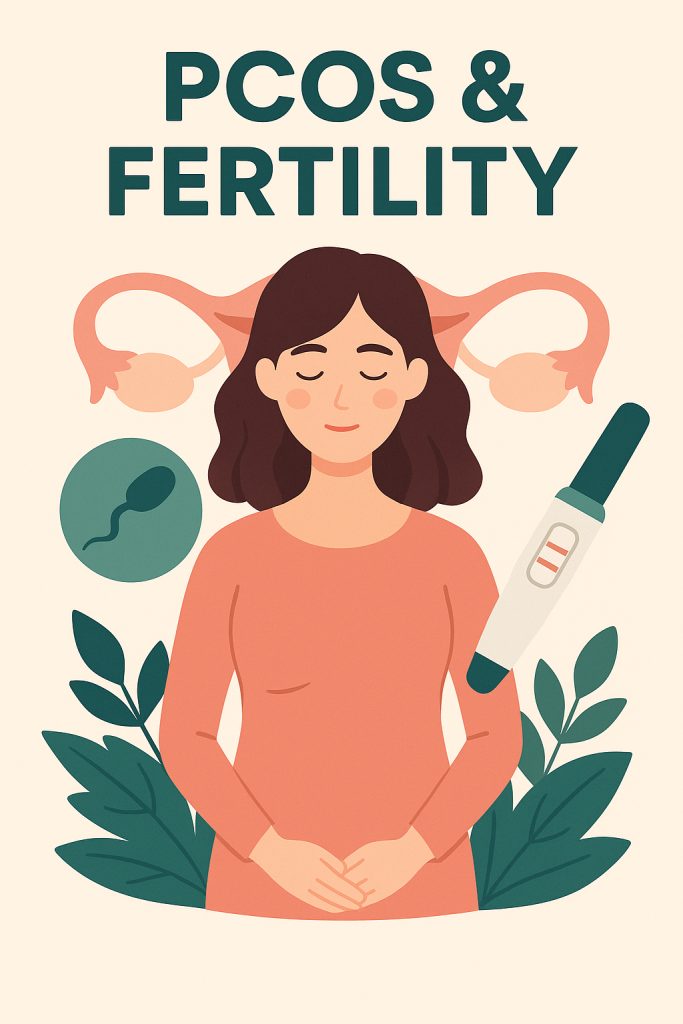
You’ve been trying to conceive, or perhaps you’re suspecting something like Polycystic Ovary Syndrome (PCOS) might be a roadblock. The good news? You are not alone, and more importantly, you are not powerless.
At The Healthy Woman, we believe in strength through knowledge and action. This article breaks down what PCOS really is, how it affects fertility, and what you can do right now, through nutrition, lifestyle and herbal-inspired support to shift the odds in your favour.
What is PCOS – And Why It Matters for Your Fertility
PCOS is a hormonal and metabolic condition in which your ovaries and related systems get out of sync. According to the Cleveland Clinic, PCOS involves elevated androgens (male-type hormones), irregular ovulation, and common fertility challenges.
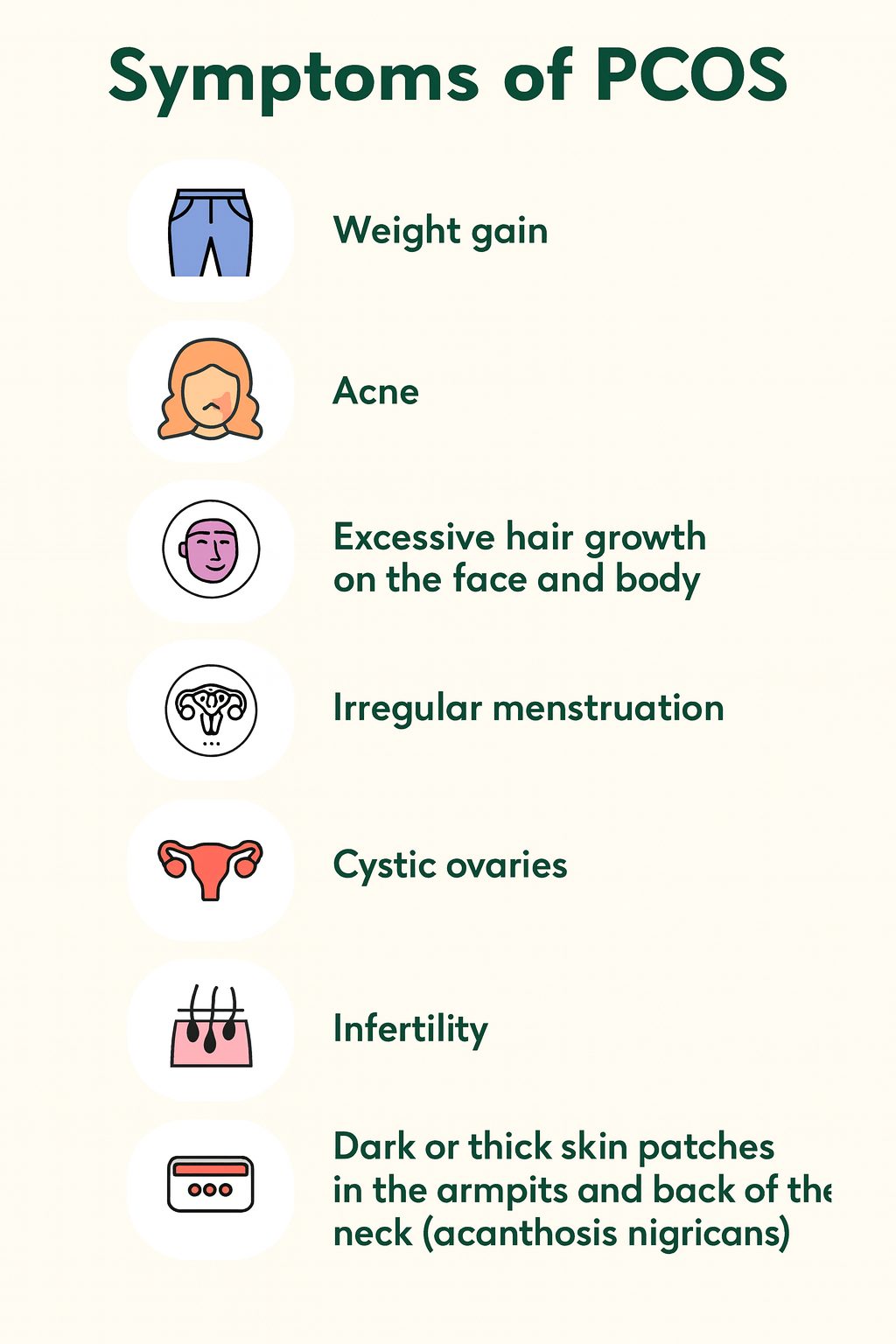
Typical signs include fewer than 9 menstrual cycles a year, or periods every 35+ days; ovarian follicles that crowd but don’t release eggs; and elevated androgen symptoms like acne and hair growth.
Why this matters: If your body isn’t ovulating on a regular, predictable rhythm, conception becomes much harder. PCOS is often cited as one of the leading causes of ovulation-related infertility.
What’s Going on Inside Your Body
Understanding the root cause gives you power to act. Here are the top players:
- Hormonal imbalance: With PCOS, the ovaries may produce excessive androgens. These high androgens interfere with your cycle and ovulation.
- Insulin resistance: Many women with PCOS have cells that don’t respond well to insulin. That leads to higher insulin levels, which can boost androgen production and suppress ovulation.
- Irregular ovulation or no ovulation: Without a consistent egg release, your window for conception is compromised.
- Genetic & lifestyle overlap: PCOS isn’t just “bad luck” , family history, weight, diet, activity and environmental exposure all play roles.
Spotting the Symptoms
Here are common signals worth noting and discussing with a professional:
- Missed or very irregular periods (few cycles a year)
- Persistent acne, facial/body hair or thinning scalp hair (androgen excess)
- Dark patches of skin around the neck or armpit folds (insulin resistance sign)
- Difficulty losing weight or weight gain without obvious cause (linking to metabolic issues)
If you see one or more of these, it’s smart to get a full evaluation, but also to begin supportive lifestyle changes today.
Your Action-Plan: Balancing Hormones & Boosting Fertility
You don’t have to wait for perfect conditions. Start simple, start now. Here are the key shifts that make a difference:
- Reset Your Plate for Hormone Health
-Focus on low-glycemic, high-fibre foods (whole grains like quinoa, legumes, leafy greens) to support insulin and ovulation.
-Avoid refined sugars and processed carbs that trigger insulin surges and worsen hormonal traffic jams.
-Add anti-inflammatory foods, fatty fish, nuts, seeds, brightly colored veggies to support hormone balance and reduce systemic stress.
These choices help regulate the underlying metabolic issues behind PCOS and ovulation disruption.
- Move Your Body, But Find the Right Dose
Exercise is fertile-friendly, but too much or too little can backfire.
-Aim for consistent, moderate workouts: Pilates, brisk walking, strength training.
-Make it system-reset, not stress-overload: stress triggers cortisol, and cortisol can interfere with ovulation.
Movement helps insulin sensitivity, circulation and hormonal syncing.
- Support Your Hormones, Holistically
-Gentle liver-support herbs and womb-nourishing rituals can assist your body’s hormone-metabolizing pathways.
-Prioritize gut health (for nutrient absorption and hormone regulation), sleep quality, and stress relief (meditation, journaling, your shadow work).
-Use a meal plan designed for fertility, like ours at The Healthy Woman, to make the process easier and more effective.
- Track, Measure and Adjust
Don’t guess, record.
- Track your menstrual cycle length, symptoms, mood, skin changes, energy levels.
- Monitor your fertile window (progesterone, LH tests, basal temp if possible).
When you evaluate diet, movement, and herbal support, tie them back to what your body’s telling you.
Data helps you refine the plan, your provider adjust treatments, and you maintain momentum.
Why The Healthy Woman’s Approach Stands Out
This isn’t generic fertility advice. At The Healthy Woman we weave three pillars together: herbal wisdom, nutrition-science, and intentional fertility strategy.
We honor your journey, your rituals, your holistic self, not just the “getting pregnant” part.
Our meal plans & guide are built on real nutritionist-validated frameworks, adapted through an herbalist’s lens for women with hormonal struggles.
You’re not a case file, you’re a woman ready to build her legacy, and we support a body that’s ready for the baby, not just trying for the baby.
Before You Go: Three Must-Do Steps
- Book a full hormone test, blood test + ovulation check with your doctor if you suspect PCOS
- Start with one diet swap today (e.g., replace sugary cereal with oatmeal, berries and nuts).
- Adopt one fertility ritual tonight (castor-oil pack, herbal tea, journaling for your intention).
Final Word
PCOS isn’t a sentence against your fertility, it’s a signal. Your body is telling you, “We need balance, alignment, readiness.” With intentional nutrition, lifestyle, and fertility-focused support, you can reclaim your cycles, re-frame your fertility narrative, and walk into pregnancy with confidence.