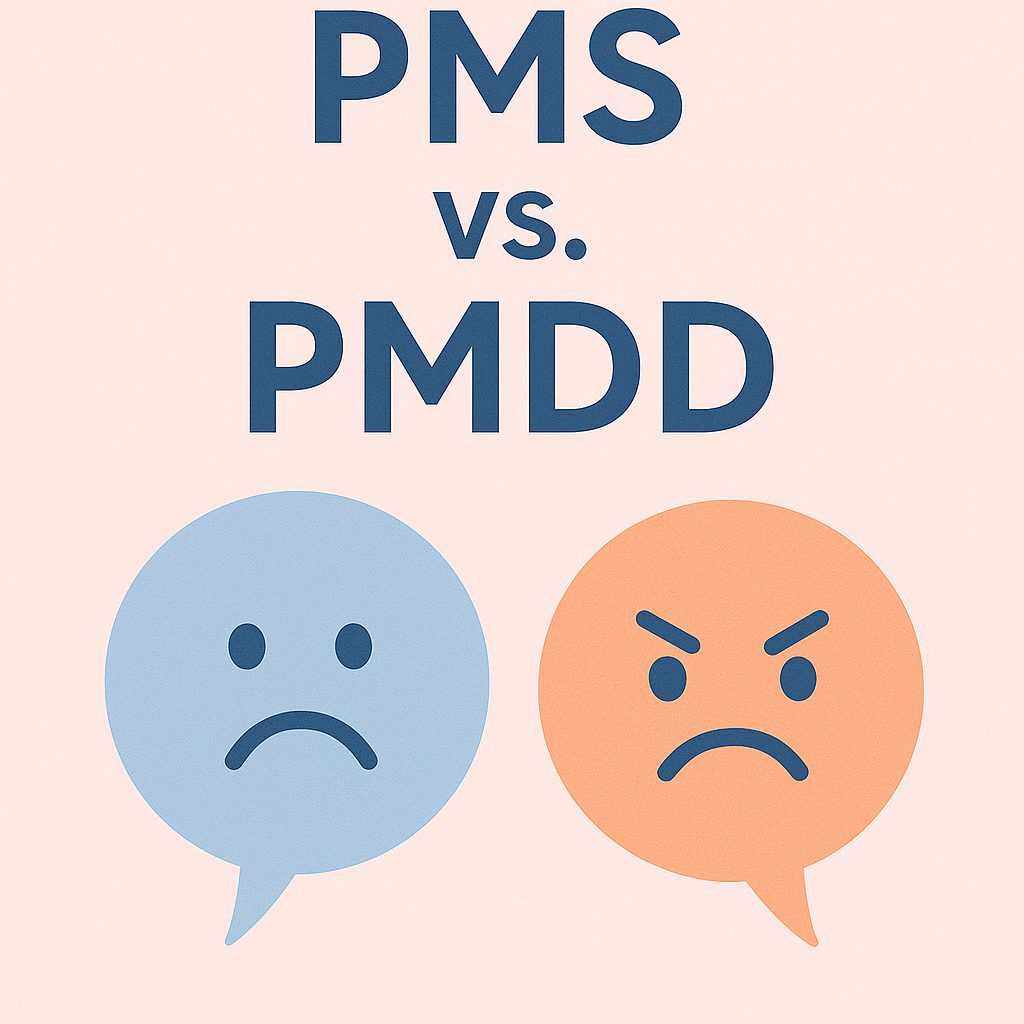
Every month, many women brace themselves for mood swings, bloating, or fatigue before their period. That’s usually PMS, Premenstrual Syndrome. But for some, the symptoms go much deeper- anxiety that feels paralyzing, depression that shows up like clockwork, or rage that feels impossible to control.
When these changes disrupt your daily life, it’s likely not “just PMS.” It could be PMDD, or Premenstrual Dysphoric Disorder.
Knowing the difference between PMS and PMDD can help you take control of your cycle, protect your mental health, and finally find real relief.
What Is PMS? Common Symptoms & Early Signs
PMS affects up to 3 out of 4 women during their reproductive years. It typically shows up in the luteal phase (the one to two weeks before your period ) and fades once bleeding starts.
Common PMS symptoms include:
- Bloating, water retention, or mild cramping
- Tender breasts or mild headaches
- Changes in appetite or cravings (especially sweets and salty foods)
- Fatigue, sleep issues, or trouble concentrating
- Mild mood swings, anxiety, or irritability
While PMS can feel frustrating, it usually doesn’t take over your life. It’s a sign of hormonal shifts, mainly estrogen and progesterone changes and can often be managed with small lifestyle and dietary tweaks.
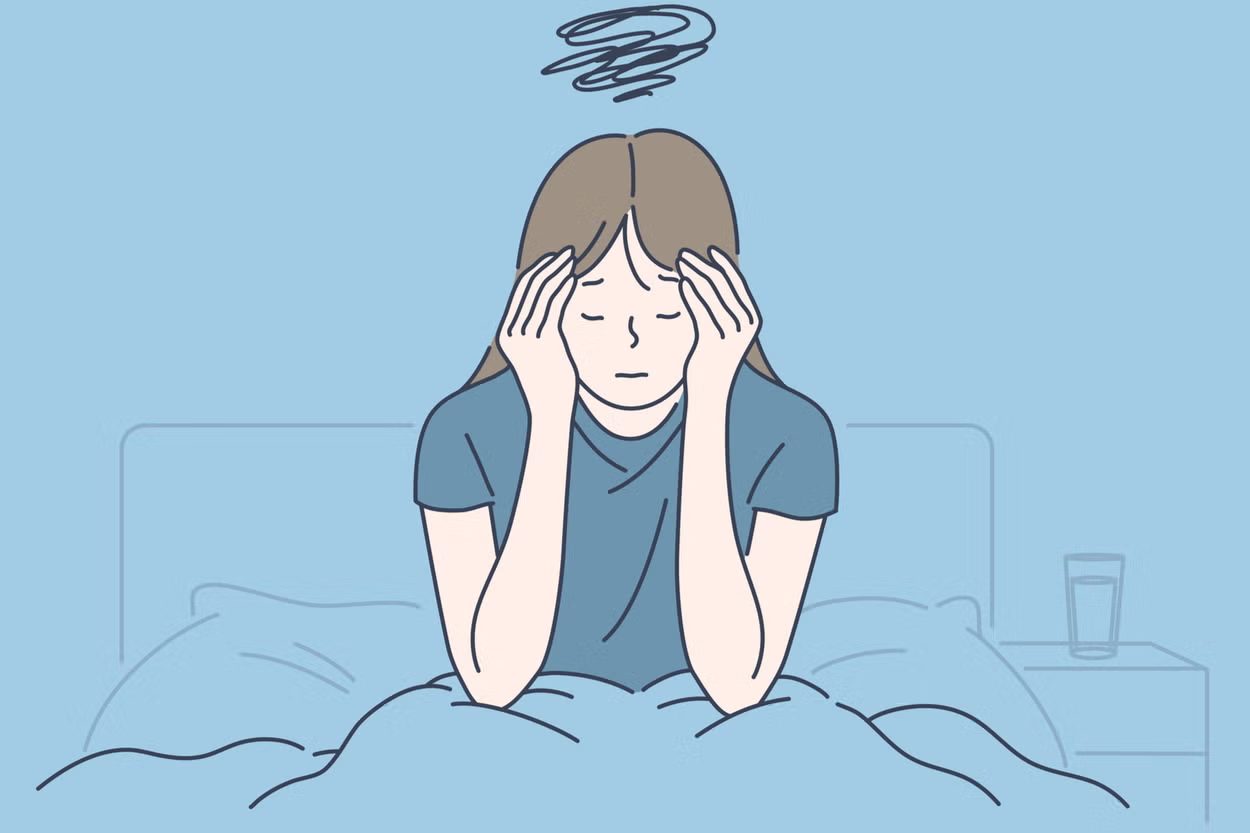
What Is PMDD? When PMS Becomes Something More
PMDD (Premenstrual Dysphoric Disorder) is a severe, hormone-related mood disorder that affects around 5–8% of women. The symptoms mirror PMS but are much stronger and deeply emotional.
PMDD symptoms include:
- Extreme mood swings or sudden anger
- Deep sadness, hopelessness, or depression
- Panic, anxiety, or emotional overwhelm
- Loss of interest in usual activities
- Trouble concentrating or sleeping
- Physical symptoms like bloating, headaches, or breast tenderness
PMS vs PMDD: How to Tell the Difference
With PMDD, these symptoms are intense enough to interfere with daily life, affecting work, relationships, and mental well-being.
At first glance, PMS and PMDD may look similar, but the intensity, duration, and emotional impact set them apart.
With PMS, symptoms like bloating, mild cramps, and irritability might show up a few days before your period. They’re uncomfortable but manageable. You can still go to work, socialize, and function normally, even if you don’t feel your best.
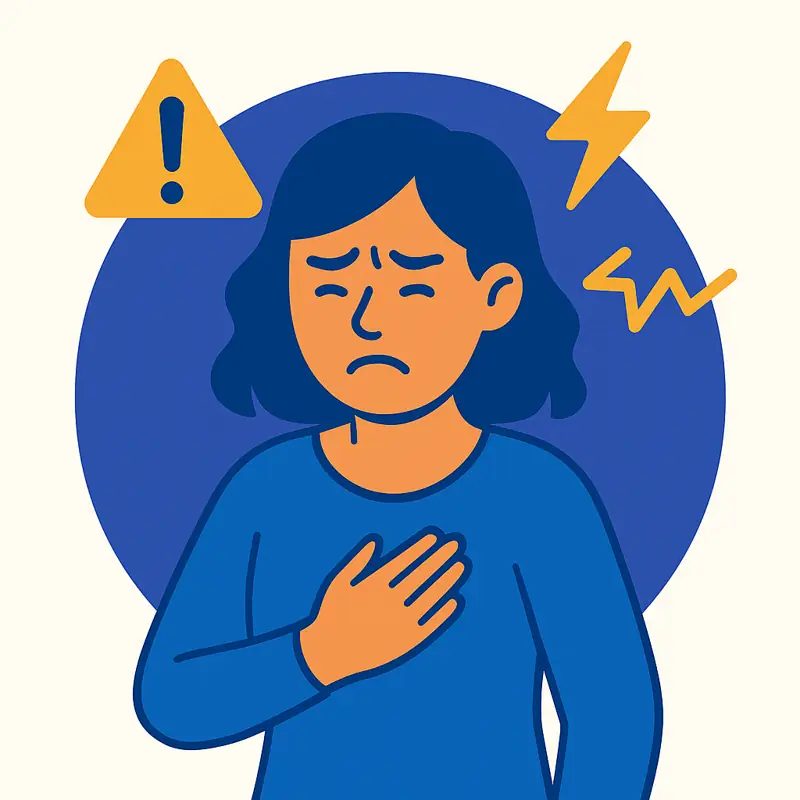
PMDD, on the other hand, is much more serious. It’s not just “bad PMS.” The emotional symptoms hit harder, deep sadness, anxiety, panic, or sudden anger that feels uncontrollable.
These mood shifts can start one to two weeks before your period and ease up shortly after it begins. For many women, PMDD makes it hard to focus, work, or maintain relationships.
If your pre-period symptoms consistently leave you feeling unlike yourself, tearful, anxious, or overwhelmed to the point where it affects your daily life, it’s likely more than PMS. It’s time to talk to a healthcare professional and get proper support.
What Causes PMS and PMDD?
The root causes of PMS and PMDD overlap, but the difference lies in how your body reacts to hormone changes.
- Hormonal sensitivity: Some women are more sensitive to shifts in estrogen and progesterone after ovulation.
- Brain chemistry: Fluctuations in serotonin, a key mood regulator, are believed to trigger emotional symptoms in PMDD.
- Stress and lifestyle: High stress, poor diet, and lack of sleep can worsen both PMS and PMDD symptoms.
- Genetic factors: Women with family histories of mood disorders may be more prone to PMDD.
So while hormone levels may be “normal,” your body’s response to those hormones makes the difference.
Treatment & Relief: For PMS
Small, consistent lifestyle changes can make a big difference:
- Eat balanced meals: more greens, fiber, and whole foods; cut back on sugar and caffeine.
- Stay hydrated and move daily, even light exercise helps ease cramps and bloating.
- Sleep and stress management: meditation, journaling, or gentle yoga reduce cortisol spikes.
- Natural support: Herbal teas like chamomile, red raspberry leaf, or hormone-balancing blends can help stabilize your mood and energy.
For PMDD
When symptoms are more intense:
- Track your cycle to identify patterns in mood and symptoms.
- Talk to your doctor about options like SSRIs, hormone therapy, or continuous-cycle birth control.
- Therapy and emotional support: Cognitive-behavioral therapy (CBT) can help manage mood changes.
- Natural options: Magnesium, calcium, and herbal supplements (like chasteberry and maca) can support hormone balance when used correctly.
Remember: PMDD is a medical condition — you’re not “too emotional” or “dramatic.” You’re experiencing real biological changes that deserve attention.
How The Healthy Woman Supports Natural Relief
At The Healthy Woman, we believe your monthly cycle shouldn’t control your life, you should. Our herbal blends are designed to help women naturally balance hormones, reduce cramps, and stabilize mood throughout the month.
Try our Balance Hormonal Capsules or Fertility & PCOS Support Capsules crafted from herbs like vitex, dong quai, and maca root to bring your body back into balance and help you feel like yourself again.
Pair your herbs with good nutrition, hydration, and rest that’s the real formula for relief.
When to Seek Professional Help
Don’t wait until it becomes unbearable.
Reach out to your healthcare provider if you:
- Experience severe mood swings or hopelessness
- Feel anxious or depressed before your period every month
- Have physical symptoms that keep you from daily activities
- Notice your PMS symptoms getting worse over time
There’s real help available, you just need the right support and plan.
Final Thoughts: You Deserve to Feel Balanced, Not Broken
Whether you’re dealing with PMS or PMDD, one thing’s clear your body isn’t the enemy. It’s communicating. Listen to those signals, care for yourself, and choose habits and tools that restore calm and control.
Relief is possible. Balance is possible. And with the right awareness and support, you can feel good all month long.
Disclaimer: This article is for educational purposes only and not a substitute for medical advice. Always consult a qualified healthcare provider before beginning any new treatment or supplement.